How to Dehydrate Tomatoes in a Dehydrator
To dehydrate tomatoes, wash and slice them evenly, arrange them in a single layer, and dry them until leathery or crisp. Drying time varies with slice thickness, tomato moisture, and your dehydrator.
On this page (7 sections)
- How do you prepare tomatoes for a dehydrator?
- How do you arrange tomatoes on dehydrator trays?
- What temperature and time should you use?
- How can you tell when dehydrated tomatoes are done?
- Are silicone mesh sheets useful for tomato slices?
- How should you cool and store dehydrated tomatoes?
- Which dehydrator setup suits your batch?
To dehydrate tomatoes in a dehydrator, wash and slice them evenly, arrange them in a single layer, and dry until leathery or crisp. The time varies with the cut, the tomatoes’ moisture, and your machine, so check the pieces instead of relying on a fixed clock.
Use ripe tomatoes that are sound and free of mold or bruises. Smaller tomatoes can be halved; larger ones are easier to manage as slices.
How do you prepare tomatoes for a dehydrator?
Wash, dry, and cut tomatoes into pieces of similar thickness. Even pieces are more likely to finish drying at about the same time.
Remove the stem and any damaged areas. For juicy tomatoes, scoop out some of the wet seed gel or blot the cut surfaces with a clean towel.
Keep the skin on unless you have a tested recipe that calls for peeling. The skin helps hold a slice together as it dries.
For an overview of drying other produce, see our guide to how to dehydrate apples in a food dehydrator.
How do you arrange tomatoes on dehydrator trays?
Place the tomato pieces in a single layer with space between them. Don't let slices overlap, since covered surfaces can stay damp while exposed edges dry.
Set slices cut-side up if they release juice. Small pieces or thin slices may need a mesh liner to keep them from slipping through the tray openings.
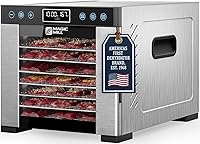
The Cosori has 10 stainless steel trays and includes a mesh tray, which may help when drying smaller tomato pieces across multiple racks.
Follow the machine's manual for tray placement and temperature settings. The Cosori has horizontal airflow and adjustable temperatures, but the best setting for your cut depends on your recipe and the tomatoes.
What temperature and time should you use?
Follow your dehydrator manual or a tested tomato recipe for the temperature and drying range. There isn't one reliable time for every tomato, because thickness, moisture, airflow, and room humidity all affect drying.
Begin checking before the estimated finish time. Rotate trays only if your manual or recipe recommends it, and avoid opening the door repeatedly because it interrupts drying.
The PSIIDAN has 8 stainless steel trays and adjustable temperature up to 167°F, so it offers room to dry several trays of produce at once. Use the temperature guidance in your recipe and machine manual.
If you also dry apples or other fruit, our guide to the best dehydrators for fruit can help you compare machines for that work.
How can you tell when dehydrated tomatoes are done?
A finished tomato should feel leathery or crisp, with no damp or spongy center. The preferred texture depends on how you plan to use it.
Let a sample cool before checking, since warm food can feel softer than it will at room temperature. Cut a thicker piece open if you're unsure; visible moisture means it needs more drying.
If some pieces finish ahead of others, remove those and continue drying the rest. Check all trays rather than assuming every slice dried at the same rate.
Are silicone mesh sheets useful for tomato slices?
Mesh sheets can help keep small solid pieces from falling through tray openings. They also need to allow airflow, so don't bunch or fold them over the food.
The Lova set includes 12 reusable silicone mesh sheets that measure 14 x 14 inches and can be trimmed to fit. The sheets are designed for solid foods; they aren't a solid-surface liner for tomato puree or fruit leather.
Measure your trays before cutting a sheet. For puree or fruit leather, use a solid liner instead; see how to make fruit leather in a dehydrator.
How should you cool and store dehydrated tomatoes?
Cool the tomatoes completely before packing them in a clean, dry, airtight container. Keep the container somewhere cool and away from direct light.
Check for condensation over the next several days. If moisture forms inside, return the tomatoes to the dehydrator and dry them longer before trying again.
Use clean hands or utensils when handling the dried pieces, and discard any food that develops mold or an unusual smell. Follow a tested preservation recipe if you plan to store tomatoes in oil or rehydrate them for canning.
Which dehydrator setup suits your batch?
For frequent or larger batches, the Cosori's 10 trays give you more rack space in one machine. The PSIIDAN's 8 trays may suit a smaller load, while the Lova mesh sheets help hold smaller solid pieces.
Choose tray liners only after measuring your racks, and follow your dehydrator's manual for temperature and loading. For a different produce project, compare dehydrators for hot peppers.
For this tomato guide, focus on even slices, open space around each piece, and a thorough dryness check. Those steps matter more than choosing a particular machine.
Frequently asked questions
How long does it take to dehydrate tomatoes?
It can take several hours, and the exact time depends on slice thickness, tomato variety, moisture, humidity, and dehydrator airflow. Start checking near the shorter end of your recipe's estimate, then continue drying until the pieces feel leathery or crisp with no moist spots.
Do you remove tomato seeds before dehydrating?
You can leave the seeds in, but scooping out some of the wet seed gel can help thick tomato halves dry more evenly. For thin slices, seeds usually stay in place; blot excess juice and arrange the slices cut-side up if they release a lot of liquid.
What temperature should you use to dehydrate tomatoes?
Use the temperature recommended by your dehydrator manual or a tested recipe for your tomato cut. A moderate setting helps dry the pieces without rushing the outside; check early and adjust for your machine, since airflow and slice thickness affect the result.
How should you store dehydrated tomatoes?
Cool the tomatoes completely, then store them in a clean, dry, airtight container away from heat and light. Check the container over the next several days for condensation; if you see moisture, dry the tomatoes longer before storing them again.