Smoker or Dehydrator for Venison Jerky? (October 2026)
Choose a smoker for wood-fired flavor and a dehydrator for steady, straightforward drying. For venison jerky, the right choice depends on whether smoke flavor or easier temperature control matters more.
On this page (10 sections)
- Smoker or dehydrator for venison jerky: which should you choose?
- What changes in the flavor?
- Which method is easier to control?
- How do batch size and setup compare?
- What food safety steps matter for venison jerky?
- How should you prepare venison for either appliance?
- How long does each method take?
- Which appliance is easier to clean and maintain?
- Is a smoker or dehydrator better for your first venison batch?
- Final choice: smoker or dehydrator for venison jerky?
Choose a smoker for wood-fired flavor and a dehydrator for steady, straightforward drying. The venison jerky smoker or dehydrator decision comes down to the flavor you want, where you can work and how closely you want to manage the drying process.
A dehydrator gives you a set temperature and timer in an indoor appliance. A smoker uses wood chips and offers a distinct smoke flavor, but outdoor conditions and smoke add variables to the process.
For a simple first batch, a dehydrator is often easier to manage. If smoke is part of the result you want, choose a smoker and follow a jerky-specific food safety process.


Smoker or dehydrator for venison jerky: which should you choose?
Choose a dehydrator for predictable drying controls; choose a smoker for wood smoke flavor. Neither appliance removes the need to prepare even strips and verify that the jerky is safely processed.
A dehydrator is built to remove moisture over time, with temperature controls suited to drying foods. The LEM BigBite has a digital panel, rear fan and a temperature range of 95 to 176°F.
A smoker is built around cooking with smoke. The EAST OAK uses wood chips, has digital controls and a built-in meat probe, and provides 725 square inches of cooking area.
These are different jobs, even though both can be used for jerky. Think of flavor as the deciding factor, then make sure the appliance and recipe support a safe process.
What changes in the flavor?
A smoker adds wood smoke; a dehydrator keeps the flavor closer to the seasoning and venison. Pick the appliance based on whether you want smoke to be a defining part of the batch.
With a smoker, wood chips supply smoke during the process. Different woods can create different flavor profiles, so use a jerky recipe that names a suitable wood and amount instead of guessing.
A dehydrator won't create wood smoke flavor. It suits marinades and spice blends where you want the venison and seasoning to stay in the foreground.
Smoky seasoning can add a smoke-like note to dehydrated jerky, but it won't exactly reproduce cooking over wood. If smoke flavor is the reason you make jerky, the smoker is the clearer choice.
Which method is easier to control?
A dehydrator gives you direct drying settings and a timer; a smoker adds smoke management to the job. The best fit depends on how many variables you want to monitor.
The LEM BigBite's digital controls cover 95 to 176°F and a timer from 30 minutes to 24 hours. Its rear-mounted fan and horizontal airflow are designed to move air across the trays.
The EAST OAK has digital time and temperature controls, plus a built-in meat probe that tracks internal temperature. Its side chip loader lets you add wood chips without opening the main door.
A probe can help you monitor meat temperature, but it doesn't tell you that every strip has dried to the right texture. Check pieces in different parts of the smoker or dehydrator, since thickness and placement affect how they finish.
For basics on temperature and the role it plays, see what temperature to dehydrate jerky. Use a reliable recipe and food safety guidance for the complete process.
How do batch size and setup compare?
The LEM offers 10 square feet of drying space, while the EAST OAK has 725 square inches of cooking area. Those measurements describe different appliances, so consider the shape and space you need rather than comparing the numbers as equal capacity.
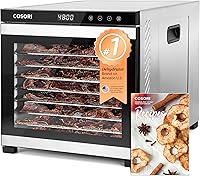
The dehydrator has 10 removable trays, each measuring about 12 by 12 inches. You can spread strips across the trays and use the see-through door to check progress.
The smoker is a tall outdoor cabinet with four removable racks. It gives you room for multiple cuts, but you'll need a suitable outdoor location and space to operate it.
Before buying either, consider where it will live between batches. A countertop dehydrator is an indoor appliance, while the smoker is intended for outdoor use and needs room around it for safe operation.
The best deer jerky dehydrators guide covers other home dehydrator options. If you already have a dehydrator and want to understand the running cost, read how much electricity a dehydrator uses.
What food safety steps matter for venison jerky?
Follow a current, tested food safety process for wild game, regardless of which appliance you choose. Drying alone can leave pathogens alive if the meat hasn't received the required heat treatment.
The USDA recommends heating meat to 160°F and poultry to 165°F before dehydrating, because dehydrators may not reach a temperature that reliably destroys harmful bacteria. Follow the recipe's steps and use a food thermometer where directed.
USDA guidance on jerky and food safety
Wild game also needs careful handling before it reaches the smoker or dehydrator. Keep venison cold, use clean tools and surfaces, and discard meat that has been held in unsafe conditions.
For this reason, don't assume that the smoker's built-in probe or a dehydrator's displayed setting alone proves the finished jerky is safe. Use the heat treatment and doneness checks called for by your recipe and food safety source.
How should you prepare venison for either appliance?
Trim visible fat and cut even strips before seasoning. Lean, uniform pieces are easier to arrange and check than uneven strips with thick ends.
Venison is naturally lean, but any remaining fat can shorten storage life. Trim it carefully, then chill the meat so it is firmer and easier to slice.
Cut with or across the grain depending on the chew you prefer. Across-the-grain strips tend to break more easily, while with-the-grain strips can be chewier; keep the pieces consistent within a batch.
Our guide on how to cut venison for jerky explains the direction and thickness choices. Even pieces matter more than trying to make every strip look identical.
Marinate in the refrigerator and avoid reusing marinade that touched raw meat unless you boil it first. The guide to how long to marinate jerky covers timing and handling.
How long does each method take?
Neither appliance has one fixed finishing time for venison jerky. Strip thickness, airflow, batch load, temperature and the recipe all affect how long drying takes.
A dehydrator's timer helps you set a starting window, but you should begin checking the meat before the timer ends. The LEM timer runs up to 24 hours, which gives you a broad setting range rather than a guaranteed jerky schedule.
A smoker's digital controls and meat probe can help you monitor its session, but smoke flavor and heat exposure need attention. Use the method and temperature instructions in a recipe meant for jerky, not a general smoked-meat schedule.
For a practical timeline, see how long to dehydrate deer jerky. Use the texture check in how to tell when jerky is done alongside the safety steps.
Which appliance is easier to clean and maintain?
The dehydrator's removable, dishwasher-safe trays make routine cleanup simple; the smoker needs care for its racks and cooking chamber. Follow each appliance's manual for cleaning and storage.
The LEM's stainless steel trays can be removed and washed in a dishwasher. Its transparent door also lets you check progress without opening the unit repeatedly.
The smoker's listed components include removable racks, a grease tray and a water bowl. Let it cool fully before cleaning, and use the care instructions for its interior and parts.
A dehydrator also takes less outdoor setup, but it needs indoor storage space. A smoker needs a weather-suitable place to sit and enough access to load chips and remove food.
Is a smoker or dehydrator better for your first venison batch?
Start with a dehydrator if you want to focus on slicing, seasoning and drying; start with a smoker if smoke flavor is the main goal. Either way, choose a recipe with explicit safety steps.
The LEM BigBite suits people who want a sizeable indoor drying area and digital settings. Its 10 trays, timer and see-through door make it easier to manage a batch without tending a fire or adding chips.
The EAST OAK suits people who have outdoor space and want wood-chip smoke. Its probe and side loader offer monitoring and chip access, though smoke is another factor to manage.
If you already own one of these appliances, use the method you can operate safely and consistently. A well-followed recipe and even strips matter more than buying a second machine.
Final choice: smoker or dehydrator for venison jerky?
Pick the dehydrator for controlled indoor drying, and pick the smoker when wood smoke is worth the added setup. For either method, let food safety instructions guide the heat treatment, then judge doneness across the batch.
If you want to work through the full process from slicing to storage, start with jerky making basics. For a smoker-free method, the deer jerky drying time guide is the next useful step.
Frequently asked questions
Is a smoker or dehydrator better for venison jerky?
A dehydrator is usually easier to control for a plain, consistent drying process, while a smoker is the better fit when you want wood smoke flavor. Whichever you use, follow a food safety process for wild game and check each strip for doneness rather than relying only on time.
Can you make venison jerky in an electric smoker?
Yes, an electric smoker can make venison jerky if it can hold a suitable low temperature and you monitor the meat. Use a recipe designed for jerky, keep strips evenly cut, and confirm the safety step required by current food safety guidance.
Does a dehydrator give venison jerky a smoky flavor?
A dehydrator dries venison without burning wood chips, so it won't add the smoke flavor of a smoker. You can season the meat with smoky ingredients, but that gives a different flavor from cooking with wood smoke.
How thick should venison be for jerky?
Cut venison into even strips so they dry at a similar rate. Thickness affects drying time, so use a consistent cut and check the thinnest and thickest pieces as they finish; see our guide to cutting venison for jerky.
How long does deer jerky take in a dehydrator?
Drying time varies with strip thickness, temperature, airflow and how much meat is on the trays. Start checking before the recipe's expected finish, and use our guide to how long deer jerky takes for a process overview.