Are Dehydrated Foods Healthy?
Yes, dehydrated foods are healthy. Drying removes water and leaves most vitamins, minerals and fiber in place, and homemade dried food skips the sodium and preservatives in many store-bought snacks.
On this page (9 sections)
- Are food dehydrators healthy for everyday food?
- Does dehydrating destroy nutrients?
- Which dehydrator settings protect nutrients and safety?
- What makes some dehydrated foods less healthy?
- Is homemade dehydrated food safer than store-bought?
- How do you store dehydrated food so it stays healthy?
- Which trays and liners help you dry food evenly?
- How do you dehydrate apples at home?
- Is a dehydrator worth it for healthy snacking?
Yes, dehydrated foods are healthy. Drying removes water and leaves most vitamins, minerals and fiber in the food, and doing it at home lets you skip the salt and preservatives found in many packaged snacks.
The question of whether food dehydrators are healthy comes down to three things: what drying does to nutrients, which settings you choose, and how you store the finished food. Each one is easy to control once you know what to watch.
Are food dehydrators healthy for everyday food?
Yes, a food dehydrator is a healthy way to preserve food. It uses warm air to pull moisture out, so the food keeps its structure and most of its nutrition without added chemicals.
A dehydrator is really just a temperature-controlled fan. Trays hold sliced food while a heating element and fan move dry air across it.
The water leaves, the food shrinks, and the remaining moisture level is too low for mold and bacteria to grow.
That is the whole process. No brine, no syrup, no smoke.
You decide whether fruit gets a light lemon dip or meat gets a spice rub. Homemade dried food is as healthy as the ingredients you put in.
The method is old. Sun drying and oven drying did the same job long before electric dehydrators existed.
What a dehydrator adds is steady, low, even heat that you can set and walk away from.
Does dehydrating destroy nutrients?
Drying does lower some vitamins, but less than most people expect. Minerals like potassium, iron and magnesium stay in the food.
Fiber stays too, because the structure of the food is not broken down.
The main losses are heat-sensitive vitamins: vitamin C and some B vitamins. These break down over time and with heat.
Drying uses lower heat than canning or boiling, so the loss is smaller than in those methods.
Vitamin C loss rises with temperature and drying time. A short, moderate dry keeps more of it than a long, hot one.
That is one reason recipe temperatures matter, not just for texture but for nutrition.
Beta-carotene and vitamin A hold up well in drying. So do the minerals in meat, which is why jerky remains a protein-dense snack.
The bigger change is calorie density: remove water and the same weight carries more calories.
Which dehydrator settings protect nutrients and safety?
Use the lowest temperature that dries the food fully and safely in a reasonable time. Lower heat protects vitamins, but the food still has to dry fast enough to avoid spoilage.
For fruit and vegetables, many recipes sit between 125 F and 135 F. Herbs do well lower, around 95 F to 115 F.
Higher heat dries faster but costs more vitamins and can toughen the outside before the inside dries.
Meat is different. The USDA calls for meat to reach 160 F (71 C) during drying to kill bacteria.
Many dehydrators top out below that, so check whether yours has a high-heat setting or a jerky mode.
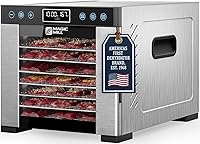
The Cosori runs from 95 F to 165 F in one-degree steps. That range covers herbs, fruit, vegetables and meat, and the upper end clears the USDA meat target.
Its 600 W motor and rear-mounted fan move air evenly, which helps food dry at the temperature you set.
What makes some dehydrated foods less healthy?
Added sugar, salt and oil turn healthy food into a treat. Plain dried apple is fruit.
Apple leather rolled in sugar is candy with fiber.
Store-bought dried fruit is a common example. Many brands add sugar or syrup, and some use sulfur dioxide to keep color.
Those choices are not required for drying. They are for looks and taste.
Jerky is the other big one. Commercial jerky often carries a lot of sodium from the cure and marinade.
Homemade jerky lets you dial the salt down and use spices for flavor instead.
Portion size matters with all dried food. Removing water shrinks the volume, so a cup of dried apple holds far more calories than a cup of fresh.
Eat dried fruit as a small snack, not by the bowl.
Is homemade dehydrated food safer than store-bought?
Homemade dried food is generally safer and cleaner, because you control the ingredients. You know what went on the food and how it was dried.
The main risk in home drying is under-drying. Food that still holds too much moisture can grow mold or bacteria.
The fix is simple: dry until pieces are leathery or brittle, not just until the surface feels dry.
Meat carries a second risk. It needs the 160 F (71 C) step for safety.
If your dehydrator cannot reach that, finish the meat in an oven or follow a tested jerky recipe.
Clean trays and clean hands matter too. Wash trays after each batch, and keep raw meat away from fruit trays.
Our guide to how long to dehydrate beef jerky covers the meat side in detail.
For a first machine and the settings to start with, see our food dehydrator for beginners guide. It walks through tray count, temperature range and what to skip.
How do you store dehydrated food so it stays healthy?
Store dried food in airtight containers, in a cool, dark, dry place. Moisture is the enemy.
If air and damp get in, the food softens and spoils.
Let food cool fully before packing it. Warm food steams inside the container and adds back the moisture you just removed.
A short rest on the counter is enough.
Glass jars with tight lids work for fruit and vegetables. Vacuum sealing works well for meat and for longer storage.
Removing air slows oxidation, which is what dulls flavor and vitamins over time.
The Gasbye vacuum sealer pulls 95kPa of suction and uses a double heat seal. That double seal is aimed at keeping air out over months.
For jerky and dried fruit you plan to keep, sealing batches as they finish keeps them crisp.
Check containers after a week. If you see condensation inside the lid, the food was not dry enough.
Return it to the dehydrator for another hour or two.
Which trays and liners help you dry food evenly?
Fine mesh trays and non-stick liners stop small pieces from falling through and help food dry evenly. Even drying is what keeps the whole batch safe and good to eat.
Small items are the problem. Berries, herb leaves and thin jerky strips drop through wide tray gaps.
Mesh screens hold them while still letting air move around the food.
The Lova silicone sheets are 14 x 14 inches and can be trimmed with scissors to fit round or square trays. The fine mesh holds small pieces, and the food-grade silicone releases dried fruit and jerky without sticking.
Use a solid liner for fruit leather and purees; mesh is for solid food. Measure your trays before trimming so the liner sits flat and air still flows past the edges.
How do you dehydrate apples at home?
Core and slice apples thinly, dip them to slow browning, and dry at about 135 F until leathery. Even slices are the key to a batch that dries at the same time.
A mandoline or sharp knife gets slices to a consistent 1/8 to 1/4 inch. Thick slices dry slowly and can brown or spoil before the center is dry.
A light lemon-water dip helps keep color.
Spread slices in a single layer with space between them. Overlap traps moisture.
Rotate trays if your machine dries unevenly.
Our walkthrough on how to dehydrate apples in a food dehydrator covers slice thickness, dips, timing and how to test for dryness. It is a good first batch for a new machine.
Is a dehydrator worth it for healthy snacking?
Yes, if you want control over what goes into your snacks. A dehydrator turns fresh food into shelf-stable snacks without added salt, sugar or preservatives, and the machine pays for itself over repeated batches.
Compare the cost of a bag of dried apple or jerky with a tray of fresh fruit or a pound of beef. The homemade version is usually cheaper per serving and carries less sodium.
The trade is time and counter space.
Buy the machine that fits your batches. Six trays suit a household that dries fruit and meat in the same season.
A smaller unit is fine for herbs and single snacks. Our roundup of the best food dehydrators for home use compares the main options.
Then keep the healthy habits: dry fully, store airtight, and go easy on added sugar and salt. Dried food is only as healthy as the recipe you dry.
Frequently asked questions
Is dehydrated food healthier than canned food?
Usually yes for sodium and additives, since you control what goes on the food. Canned goods often carry added salt or sugar, while dried food keeps its nutrients in a smaller, shelf-stable package.
What temperature is safe for dehydrating meat?
The USDA calls for meat to reach 160 F (71 C) during drying for safety. Many dehydrators run as low as 95 F, so check the manual for a high-temperature setting or finish jerky in the oven.
How long does homemade dehydrated food last?
Properly dried food lasts months when stored cool and dry. Fruits and vegetables keep well for about a year in airtight containers, while jerky is best eaten within a few weeks to a few months.
Vacuum sealing extends the window.
Can dehydrating food make it less healthy?
It can if you add a lot of sugar, salt or oil before drying. Plain fruit and vegetables stay wholesome.
Watch portions on dried fruit, because removing water concentrates the natural sugar and calories.