Do You Need a Dehydrator to Make Beef Jerky?
No, you don't need a dehydrator to make beef jerky. An oven or smoker can work if you can control low heat and airflow, but a dehydrator is often easier to manage for repeat batches.
On this page (7 sections)
No, you don't need a dehydrator to make beef jerky. An oven or smoker can do the job if it keeps a low, steady heat and lets moisture escape, while a dehydrator is often simpler for controlled batches.
The key is safe heat and even drying, not the appliance name. If you expect to make jerky often, a dehydrator can reduce guesswork; if this is an occasional batch, your oven may be enough.
Do you need a dehydrator to make beef jerky safely?
You can make beef jerky without a dehydrator, but the method must dry the meat safely. USDA guidance calls for heating beef to 160°F before drying, so use a tested process and a food thermometer.
Thin, evenly cut strips dry more consistently than thick or uneven pieces. Read our guide to how thick to cut jerky strips before preparing the meat.
A dehydrator gives you a dedicated space for circulating air over trays. An oven or smoker can also dry meat, but you need to manage temperature, moisture, and airflow yourself.
What temperature should beef jerky reach before drying?
Heat beef to 160°F before drying it. USDA recommends this step to destroy harmful bacteria that can survive slow drying.
Don't rely only on the appliance's temperature display. Check the meat with a food thermometer and follow a tested recipe, including its heating and drying steps.
Can you make beef jerky in an oven?
Yes, an oven can make jerky if it holds a suitable low temperature and allows moisture to escape. Rack spacing and airflow matter because meat needs to dry instead of steam.
Ovens vary in how low they can hold heat. Check the manual, use an oven thermometer to monitor the actual temperature, and avoid leaving the door open unless the manufacturer permits it.
Lay the strips with room between them, and check them as they dry. For doneness cues and safe handling, see how to tell when jerky is done.
Can a smoker make beef jerky?
A smoker can dry beef jerky while adding smoke flavor, provided you can control its heat and airflow. Use a tested jerky method and keep the strips spaced so smoke and warm air can move around them.
A smoker may suit you if you already use one and want a smoky result. It can take more attention than a dehydrator when outdoor conditions or the smoker's temperature fluctuate.
For venison, the equipment choice has its own tradeoffs. Our guide to smoking or dehydrating venison jerky compares those methods.
What does a dehydrator make easier?
A dehydrator makes repeated batches easier by giving you trays, adjustable heat, and steady airflow in one appliance. Its capacity and controls can help you plan batches without taking over oven space.
Temperature range matters. For a closer look at target settings and why they matter, read what temperature to dehydrate jerky.
A dehydrator still needs attention: arrange strips with space between them, follow a safe recipe, and check the batch for doneness. The appliance doesn't replace safe meat handling or a thermometer.
Does a cheap food dehydrator work for jerky?
A budget dehydrator can work if its controls and capacity fit your method. Compare its temperature range, timer, airflow design, tray space, and cleaning needs before you buy.
For example, the Hamilton Beach has 5 stackable trays, adjustable temperature from 100°F to 160°F, and a timer up to 48 hours. Its base-mounted heater and fan are designed for even drying without tray rotation.
If you want more room or a wider temperature range, compare the best budget dehydrators for jerky. A low price alone doesn't tell you whether a model suits the batch size or recipe you plan to use.
Which dehydrator features matter for beef jerky?
Choose a dehydrator with enough tray space, usable temperature control, and airflow that fits your batch size. A timer can help with long drying sessions, but you still need to check the meat and follow safe handling steps.
The Cosori 5-Tray BPA-Free Dehydrator has a temperature range of 95°F to 165°F and a timer up to 48 hours. Its 5 trays can expand to 7 with compatible trays.
The Magic Mill 5-Tray Stainless Dehydrator has 5 adjustable stainless steel trays, a timer up to 48 hours, and temperature control advertised up to 167°F. Its manual provides the practical check: confirm the temperature range for your method and use a thermometer on the meat.
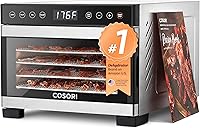
For larger batches, the Cosori 6-Tray Stainless Steel Dehydrator has 6 trays and 6.5 square feet of drying space. It uses a rear-mounted fan, and its temperature control ranges from 95°F to 165°F.
How do you choose between an oven and a dehydrator?
Use the appliance you can control safely and consistently. An oven makes sense for an occasional batch when it can hold low heat and vent moisture, while a dehydrator may suit frequent batches or a kitchen where oven space is limited.
Consider how much jerky you plan to make at once. If you want a broader comparison of appliance types, read dehydrators for beef jerky.
If you plan to make jerky often, compare the best dehydrators for beef jerky by capacity and controls. If you make it only now and then, try a safe oven or smoker method before adding another appliance.
What should you choose for your first batch?
Choose an oven or smoker if you can follow a tested safe method and control the heat. Choose a dehydrator if you want dedicated trays and expect to dry meat often.
For smaller batches, compare the Hamilton Beach or Cosori 5-Tray options by their temperature controls and tray setup. For a larger batch, the Cosori 6-Tray offers more stated drying space.
Whichever method you choose, heat beef to 160°F before drying and check the finished strips carefully. Use how long to dehydrate beef jerky as a planning guide, then judge the batch by your tested recipe rather than time alone.
Frequently asked questions
Can you make beef jerky without a dehydrator?
Yes. A conventional oven or smoker can dry beef strips if you can keep the temperature low and allow moisture to escape.
Use a food thermometer and follow a tested food safety method, since drying meat slowly at an uncontrolled temperature can leave it unsafe.
Is an oven or dehydrator better for beef jerky?
A dehydrator is usually easier to control for repeated batches because it is designed to move air across food over many hours. An oven can work if it holds a suitable low temperature and vents moisture, but oven racks and temperature swings can make drying less even.
Do cheap food dehydrators work for jerky?
A lower-cost dehydrator can work if its temperature range, airflow, and usable tray space suit your batch size. Check whether the temperature can meet safe jerky guidance, whether you need to rotate trays, and how easy it is to clean before choosing one.
Does jerky need to be heated before drying?
Yes, USDA guidance says beef jerky should reach 160°F before drying to destroy harmful bacteria. Follow a tested recipe and use a food thermometer, because a dehydrator's air setting alone does not show whether the meat itself reached that temperature.